Retro Flower: The Adorable Color Font for Your Valentine's Day Designs
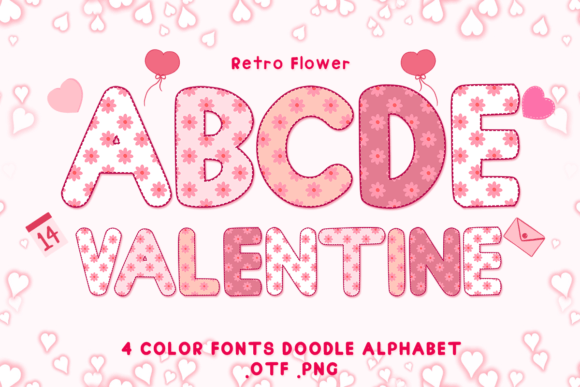
There's a certain magic in a design that feels both nostalgic and fresh, something that captures a vintage charm while speaking a modern visual language. That's the space where Retro Flower lives. This isn't just another typeface; it's a premium font that arrives with its own built-in color palette and personality. Imagine letterforms adorned with soft, blooming florals, delicate petals, and warm, loving hues. It’s a creative font that immediately injects a sense of handmade affection into any project, making it a perfect design asset for anyone looking to create something heartfelt and memorable.
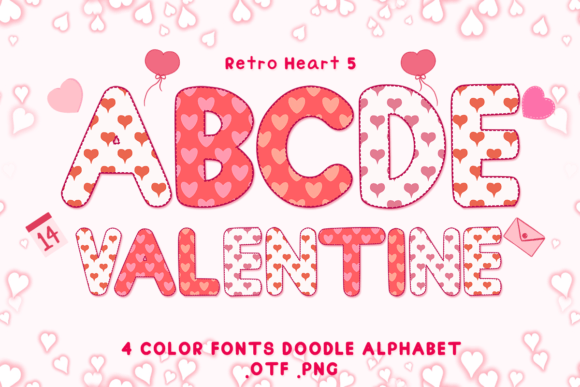
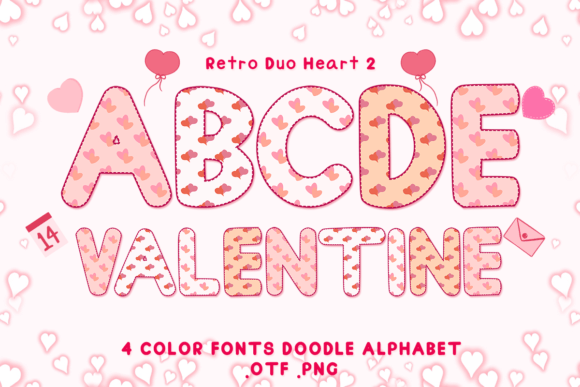
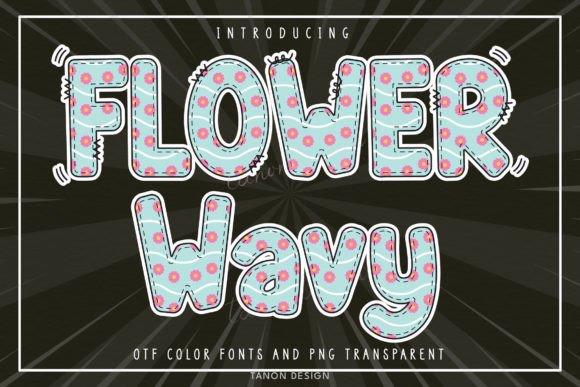
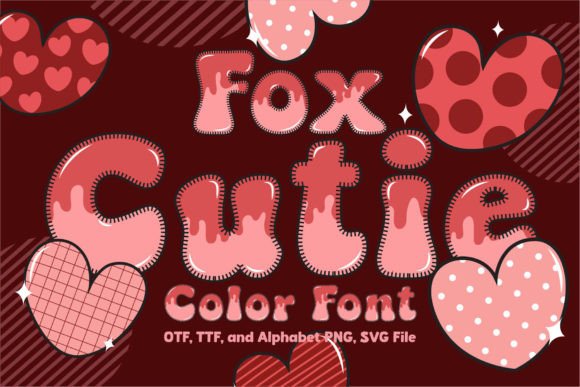
At its core, Retro Flower is a display font designed for impact. Its visual characteristics are all about playful elegance. The letters are crafted with a blend of soft serif or sans-serif bases, but the real story is in the detailed floral illustrations that fill each glyph. The color palette leans into Valentine's Day aesthetics—think rosy pinks, deep reds, and gentle creams—but the beauty of a color font is its versatility. This typeface carries a personality that is whimsical, romantic, and undeniably adorable. It feels like a gift, designed from the heart to bring a smile to the viewer's face. Its overall appeal lies in its ability to communicate warmth and care instantly, making it a standout choice for projects where emotional connection is key.
Where This Creative Font Truly Shines
Thinking about practical applications, Retro Flower excels in projects where you want the typography to be the star of the show. For logo design, especially for boutique brands, bakeries, florists, or lifestyle blogs, it creates an immediate and recognizable brand identity that feels approachable and special. In packaging design, it can transform a simple product into a charming gift, perfect for artisanal goods, beauty products, or special edition releases. The font’s intricate details make it a joy for editorial design in magazines, zines, or lookbooks, particularly for headers, pull quotes, and feature titles that need to capture a reader's attention.
For digital creators, this font is a powerhouse for social media graphics. Instagram stories, Pinterest pins, and promotional posts will stop the scroll with their vibrant, textured lettering. It’s also fantastic for designing eye-catching invitations, greeting cards, and digital stickers. In the realm of web design, while it’s not suited for body copy, using Retro Flower for hero text, event announcements, or call-to-action buttons can add a huge dose of personality. For crafters and hobbyists, the included OTF and TTF files work beautifully in Adobe Photoshop, Illustrator, and Silhouette Studio, allowing for endless personalization on everything from custom apparel to home decor.
The Strategic Value of a Distinctive Typeface
Choosing a font like Retro Flower goes beyond aesthetics; it's a strategic decision that influences how your audience perceives your work. In terms of visual hierarchy, a bold, colorful display font naturally commands attention, guiding the viewer's eye to the most important information first. This improves readability in a strategic sense—your key message isn't lost in a sea of text. When used consistently, it becomes a cornerstone of your brand perception. A brand that uses such a unique and affectionate typeface is often seen as creative, caring, and detail-oriented.
This consistency fosters brand recognition. When customers see that distinctive floral lettering across your website, packaging, and social media, they immediately connect it with your business. This builds trust and professionalism. For audience engagement, the inherent charm of the font can evoke positive emotions, making your content more shareable and memorable. It’s a tool that helps you stand out in a crowded market, communicating a specific vibe that a standard sans serif font or even a generic script font simply cannot achieve.
Making the Most of Your Font Purchase
Before integrating Retro Flower into your workflow, a little practical guidance helps. First, always evaluate project fit. This is a high-detail display font, so it’s ideal for headlines and short bursts of text, not for lengthy paragraphs where its intricacies might become overwhelming. Test font pairings to find balance. Pair it with a clean, simple sans serif font for body copy or a minimal serif font to let the headlines shine without competing for attention. A good pairing creates a harmonious and professional layout.
Take time to review the included styles. Often, such fonts come with alternates, ligatures, or additional glyphs that can add even more custom flair to your designs. Be mindful of readability considerations—ensure the text remains legible at the size you intend to use it, and check color contrast if you're placing it over a background. Finally, understand the commercial licensing. The license for this font allows for a wide range of uses, empowering you to use it for both personal projects and commercial ventures like client work, merchandise, and digital products.
A Note on Compatibility
It's important to know that Retro Flower is an OpenType-SVG color font. This format allows for the stunning color and texture you see, but it does have specific software requirements. It is fully compatible with modern versions of Adobe Photoshop, Adobe Illustrator, Silhouette Studio, and Inkscape. However, the standard OTF or TTF files are not compatible with Cricut Design Space, as Cricut does not support the OpenType-SVG format for cutting. For a full breakdown on using this type of modern typography, our Ultimate Font Guide provides clear, step-by-step instructions.
Retro Flower is more than a font; it’s a design solution ready to add heart and personality to your work. With limitless options for application, from branding to personal crafts, it’s a versatile tool designed to be enjoyed. Ready to give your projects that loving touch? This is your starting point.