Mia: The Adorable Color Font for Heartfelt Designs
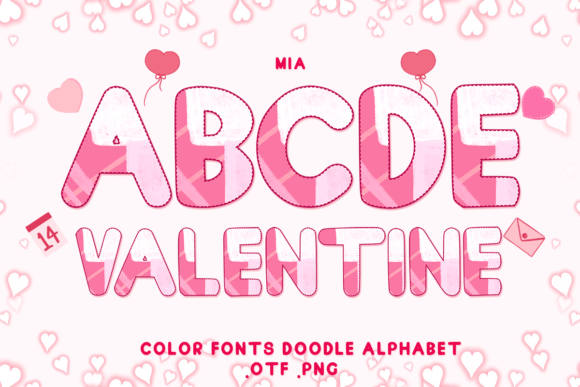
Finding a typeface that genuinely captures warmth and personality can feel like searching for a needle in a haystack. We often settle for standard black-and-white fonts, relying on background colors to set the mood. Mia changes that dynamic entirely. As a premium color font, specifically an OpenType-SVG format, Mia brings vibrant, multi-colored designs directly into your typography. It is crafted not just to be read, but to be felt. The design carries a distinct charm—playful, soft, and incredibly detailed—making it an immediate focal point for any project. It is intended to be a joyful asset for creators who want their work to resonate with emotion and visual delight.
Understanding the Appeal of OpenType-SVG Color Fonts
Before diving into specific applications, it helps to understand the technology behind Mia. This is not a standard vector font where you simply change the color in a toolbar. Because it is an OpenType-SVG file, the font file itself contains high-resolution raster data, allowing for complex color gradients, textures, and details within the letters. When you type with Mia, you are essentially placing tiny, pre-designed images that form words. This technology creates a level of depth and realism that standard vector fonts cannot achieve, making it a standout design asset for modern typography enthusiasts.
However, compatibility is a key consideration for any designer or crafter. Mia is compatible with PhotoShop, Illustrator, Silhouette, and Inkscape. These platforms support the advanced rendering required for color fonts. It is important to note, however, that the OTF and/or TTF files of this product are not compatible with Cricut. If you are a crafter using cutting machines, ensure your software supports this specific file type before integrating Mia into your workflow. For those unfamiliar with the installation process, checking an Ultimate Font Guide is a practical first step to ensure smooth implementation.
Elevating Brand Identity and Visual Hierarchy
For entrepreneurs and small business owners, brand identity is everything. A logo design needs to tell a story at a glance. Mia offers a unique opportunity to establish a brand personality that is approachable, whimsical, and memorable. Because the font is inherently decorative, it works exceptionally well for display purposes—think hero images on websites, header graphics for newsletters, or the main title on a packaging design. It immediately signals to the audience that the brand values creativity and attention to detail.
In terms of visual hierarchy, Mia acts as a powerful anchor. In a layout filled with neutral sans serif or serif fonts, using Mia for a specific call-to-action or a key headline draws the eye instantly. It eliminates the need for excessive embellishments or background clutter. The font itself is the design element. This is particularly useful in social media graphics where capturing attention in a fraction of a second is critical. By using Mia for critical information, you create a clear path for the viewer's eye, improving engagement and ensuring your message isn't lost in the noise.
Practical Applications: From Digital to Print
The versatility of Mia extends across various mediums, making it a valuable addition to any designer's toolkit. Its visual style lends itself perfectly to specific industries and projects. Here are some practical ways to utilize this creative font:
- Greeting Cards and Stationery: Given its adorable aesthetic, Mia is perfect for Valentine’s Day cards, wedding invitations, or baby shower announcements. The color embedded in the font mimics the look of hand-lettered art.
- Editorial Design: In magazine layouts or blog post headers, Mia can break the monotony of text-heavy pages. It adds a splash of personality to lifestyle, food, or fashion publications.
- Packaging Design: For artisan products, cosmetics, or boutique goods, the font adds a premium, handcrafted feel that suggests high quality and care.
- Digital Content: Content creators can use Mia in video thumbnails, Instagram Stories, or Pinterest pins to increase click-through rates. The visual pop of a color font often outperforms standard text in digital advertising.
While the applications are limitless, it is vital to evaluate the fit for each project. Because Mia is a display font with strong character, it may not be suitable for long-form body text. Readability is paramount; while Mia is legible at medium to large sizes, using it for small paragraphs could strain the reader's eyes. Instead, pair it with a clean, neutral sans serif font for body copy to maintain a professional balance.
Maximizing Your Design Assets
To get the most out of Mia, consider how it interacts with other design elements. Since the font contains its own colors, ensure the background doesn't clash or make the text difficult to read. High-contrast backgrounds—either very light or very dark—usually allow the colors within the font to shine best. Additionally, explore the included styles. Many premium fonts come with alternates, ligatures, or swashes that can add further customization to your text, preventing your designs from looking generic or repetitive.
Ultimately, Mia is more than just a collection of glyphs; it is a tool for storytelling. Whether you are a marketer aiming for higher engagement, a crafter personalizing a gift, or a designer building a brand, this typeface offers a distinct voice. It bridges the gap between technical typography and artistic expression, providing a ready-made solution for anyone looking to inject genuine warmth into their visual communications. By integrating Mia into your projects, you are choosing a design asset that prioritizes connection and joy, ensuring your work stands out in a crowded creative landscape.