Lime Jello: A Fresh Take on Playful Typography
Finding a typeface that captures a specific mood without feeling gimmicky is a common challenge for designers. You want something that feels fresh, energetic, and modern, but also versatile enough for real-world applications. Enter Lime Jello, a full-color font that manages to be both a standout creative asset and a practical tool for a wide range of projects. It’s not just a font; it’s a statement piece built on modern typography technology.
More Than Just a Green Font
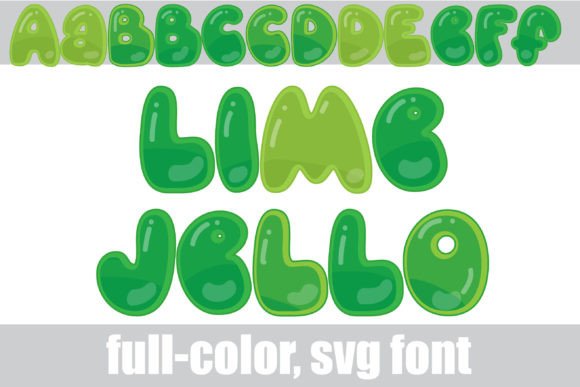
At its core, Lime Jello is a fun, jelly-like font rendered in a vibrant lime green color palette. The visual personality is immediate: it’s playful, bold, and full of life. The characters have a soft, rounded quality that suggests dimension and a touch of whimsy, making it a perfect creative font for designs that need to convey joy, energy, or a fresh perspective. This isn't a subtle serif font or a neutral sans serif; it’s a display font designed to grab attention and set a specific tone.
What truly sets this typeface apart is its underlying technology. As a premium font in the OpenType full-color (SVG) format, Lime Jello brings vector-based color directly into your typography. This means the color is embedded within the font file itself, allowing for complex gradients and multiple hues within a single glyph—a significant leap from traditional single-color fonts. The included alt cases offer additional color variations for each letter, accessible through your system's character map or a program like Silhouette Studio. This feature dramatically expands its utility, letting you customize the look to match your project's exact color scheme.
Practical Applications for a Playful Typeface
Understanding where a font like Lime Jello shines is key to using it effectively. Its strength lies in applications where personality and visual impact are prioritized over extended reading. Think of it as the exclamation point in your typographic toolkit.
For logo design and brand identity, especially for brands targeting a younger demographic or those in creative, food, or lifestyle sectors, Lime Jello can create an instantly recognizable and memorable mark. It works beautifully for a children's brand, a trendy juice bar, or a social media influencer's personal brand. In packaging design, it can make a product pop on the shelf, particularly for items like snacks, cosmetics, or stationery where a playful, modern aesthetic is a natural fit.
In the digital realm, this font is a powerhouse for social media graphics. It’s ideal for short, impactful headlines, Instagram story text, or YouTube thumbnails where you need to stop a scrolling thumb. For web design, it should be used sparingly and strategically—think a hero banner headline, a call-to-action button, or a special announcement—paired with a highly readable sans serif font for body copy. In editorial design, it can add a burst of energy to magazine features, blog post titles, or chapter headings in a cookbook.
For crafters and hobbyists, the font’s compatibility with programs like Silhouette Studio makes it a fantastic design asset for creating custom stickers, party invitations, t-shirt designs, and scrapbooking elements. Its commercial license typically covers these personal and small business uses, making it a versatile addition to any creative library.
Making It Work: Pairing and Readability
The key to successfully incorporating a strong display font like Lime Jello into a project lies in thoughtful pairing and a clear understanding of its role. Its bold, colorful nature means it should almost never be used for long paragraphs or small body text, where readability would suffer significantly.
A classic and effective strategy is to pair it with a clean, neutral sans serif font or a timeless serif font. The contrast creates a clear visual hierarchy: Lime Jello commands attention for the headline, while the paired font provides calm, legible support for subheads and body copy. For example, pairing it with a geometric sans serif like Montserrat or a humanist serif like Lora can create a balanced and professional layout. Avoid pairing it with another overly decorative script font or handwritten font, as this can create visual clutter and diminish the impact of both.
Before committing, always test the font in context. Type out your actual headline text to check for spacing and how the letterforms interact. Remember that in many programs, the color preview might appear only when you type on the document canvas, not always in the font selection window. Also, be mindful of your background. While lime green pops on white, it can clash with certain colors or get lost on busy backgrounds. A simple, solid background usually lets the font's personality shine.
Is Lime Jello the Right Fit?
Evaluating any creative font for a project comes down to alignment with your goals. Ask yourself: Does the playful, energetic personality of Lime Jello match the message and audience of my project? Is the primary need for a short, impactful headline rather than readable body text? Does my software support full-color SVG fonts? If the answers are yes, then this typeface could be the perfect tool to inject a dose of fun and modernity into your designs.
Lime Jello represents the exciting direction of modern typography, where design assets are becoming more dynamic and expressive. It’s a practical example of how technology can expand creative possibilities, offering designers a new way to build engaging brand identity and capture audience attention. By using it thoughtfully and strategically, you can leverage its unique charm to make your next project truly stand out.