Retro Plaid 4: A Creative Font for Valentine's and Beyond
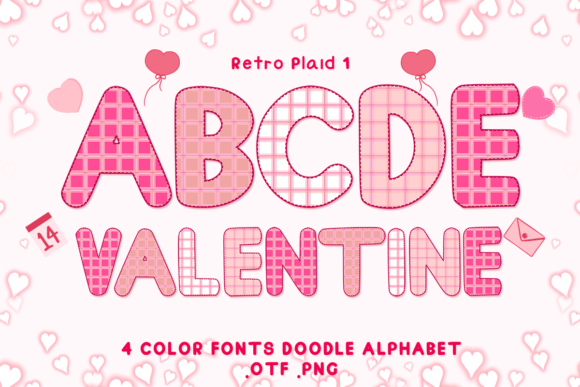
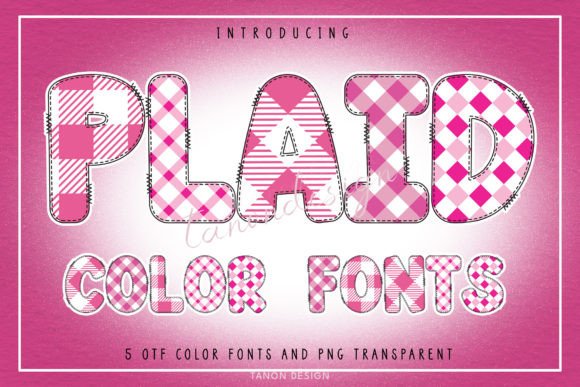
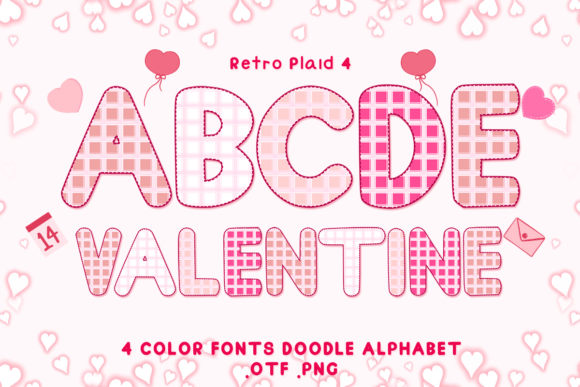
There is a specific kind of satisfaction in finding a design asset that does exactly what it promises without complicated instructions. Retro Plaid 4 is one of those finds. It is a color font, which means the plaid pattern you see in the preview is baked right into the characters themselves. You don't need to layer clipping masks or manually apply patterns in your design software. You simply type, and the retro plaid texture appears instantly. For anyone working on Valentine’s Day projects, this offers a charming, textile-inspired alternative to standard hearts and florals, but its utility stretches far into branding, packaging design, and seasonal marketing.
Visual Style and Personality
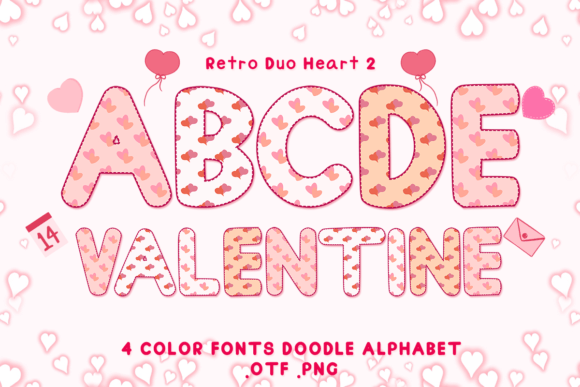
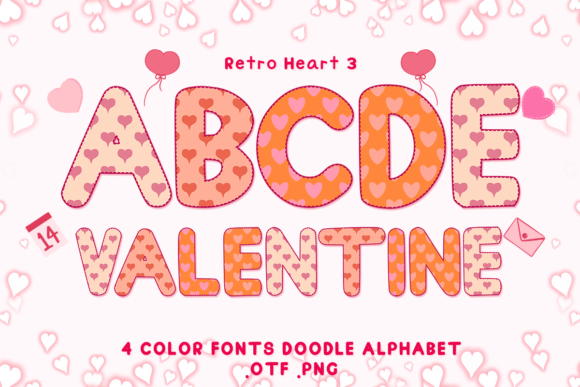
At its core, Retro Plaid 4 is a display font with a distinct personality. It leans into a retro aesthetic that feels warm, handmade, and slightly nostalgic—think of a cozy flannel shirt or vintage gift wrap. The letterforms are bold and rounded, ensuring the plaid pattern has enough surface area to remain legible even at smaller sizes. This isn't a serif font or a sans serif font in the traditional sense; it falls into the category of creative font designs meant to capture attention immediately.
The visual texture adds depth to your layout. Unlike flat vector type, the color and pattern create a tactile illusion. This makes Retro Plaid 4 particularly effective for projects where you want to evoke a sense of comfort, celebration, or handmade authenticity. It bridges the gap between modern typography and classic craft, making it a versatile tool for content creators and designers looking for something that stands out from the minimalist trends dominating current web design.
Practical Applications for Creators
When deciding where to use a font like this, think about impact. Retro Plaid 4 is a premium font designed for high-visibility spots. It works exceptionally well in logo design for boutique brands, bakeries, or lifestyle blogs that want a friendly, approachable vibe. It is also an excellent choice for editorial design, particularly for pull quotes or headlines in magazines that cover fashion, home decor, or seasonal trends.
For entrepreneurs and small business owners, the applications are immediate:
- Social Media Graphics: Use it for Instagram stories, sale announcements, or holiday greetings to stop the scroll. The texture adds visual interest that flat text often lacks.
- Packaging Design: If you sell physical goods, this font can elevate a hang tag, sticker, or label, giving your product a cohesive, curated look.
- Web Design: While you wouldn't use a display font for body text, it serves perfectly for hero images, banner ads, or limited-time offer announcements on your homepage.
- Crafting: As noted in the product details, this font is compatible with Photoshop, Illustrator, Silhouette, and Inkscape. This makes it accessible for hobbyists making party invitations, scrapbook layouts, or custom apparel.
Technical Compatibility and Workflow
Understanding the technical side of Retro Plaid 4 is crucial for a smooth workflow. This is an Opentype-SVG font. This format supports color and transparency within the font file itself. However, compatibility is key here. You must use software that supports this specific technology.
Retro Plaid 4 works seamlessly in recent versions of Photoshop and Illustrator. It is also a fantastic resource for Silhouette users who want to add intricate color designs to their projects. However, there is an important caveat for Cricut users: standard OTF or TTF files of this product are not compatible with Cricut. Cricut Design Space does not currently support the Opentype-SVG color data in the way required to render the plaid pattern. If you are a dedicated Cricut crafter, you would need to use this font in a separate design program (like Photoshop), save your text as a PNG image, and then upload that image to Cricut Design Space as a "Print then Cut" file.
For those unfamiliar with color fonts, checking a comprehensive resource like the Ultimate Font Guide can save time. It helps to understand how these files differ from standard vector typefaces and ensures you are setting up your layers correctly before you start your typography work.
Design Strategy and Font Pairing
Because Retro Plaid 4 is visually dense, it requires thoughtful pairing. You generally don't want to combine two textured or busy fonts together, as it creates visual noise that hurts readability. Instead, treat this font as the star of the show.
A good strategy for font pairing is to balance the plaid texture with a clean, simple typeface. A geometric sans serif font often works best for subheadings or body copy, providing a neutral canvas that allows the plaid texture to pop. Alternatively, a simple script font can add a touch of elegance for accent words, but ensure it remains legible.
When building your brand identity, consistency is vital. If you choose Retro Plaid 4 for your holiday campaign, ensure the colors in the plaid match your brand palette or the specific season's theme. Since the font renders as a fixed image, you cannot easily change the color of the plaid lines post-typing (unless the font package includes different color variations). Therefore, review the specific color style included in the file to ensure it fits your project's mood—whether that is a classic red and pink for Valentine's or a rustic autumn palette.
Readability and Hierarchy
In modern typography, hierarchy guides the reader's eye. Retro Plaid 4 is best used for H1 or H2 headings, titles, or short phrases. Its detailed texture makes it less suitable for long paragraphs of body text, where a standard serif font or sans serif font would be much easier on the eyes.
Consider the size. At large scales, the plaid pattern is a distinct design feature. At very small scales, the pattern might become muddy or pixelated depending on the output resolution. Always test your design at the intended print or screen size. For marketers and publishers, this means previewing your layout at 100% zoom to ensure the text remains crisp.
Ultimately, Retro Plaid 4 offers a unique aesthetic for design assets. It is ready to give good vibes to everyone, from the professional designer working on a commercial package to the hobbyist creating a card for a loved one. By respecting its technical requirements and using it strategically within your layout, you can create engaging, professional designs that feel personal and polished.