Pink Card: A Playful Color Font for Designs with Heart
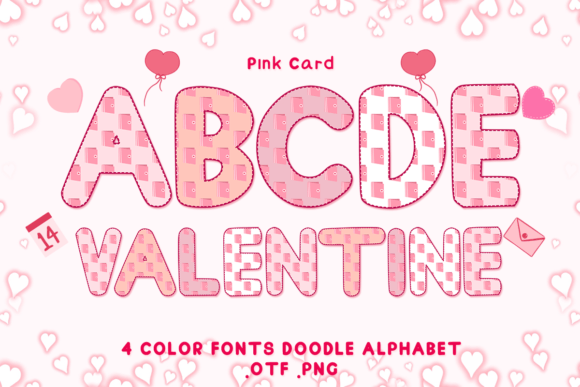
When a project needs more than just words—when it needs a feeling—you start looking for a typeface that carries its own personality. That's exactly where Pink Card enters the conversation. This isn't your typical serif font or clean sans serif font. It's a premium color font, specifically an OpenType-SVG typeface, meaning the letters themselves are filled with vibrant, multi-colored graphics. Think of it as a design asset that comes pre-decorated, bringing a burst of charm and visual interest to any text you type.
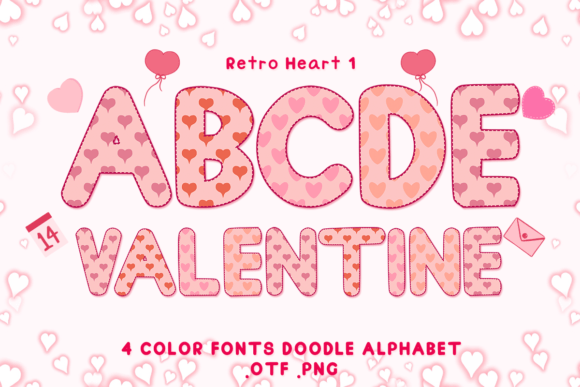
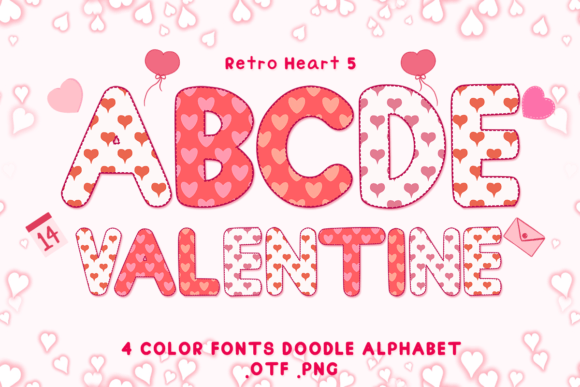
The visual character of Pink Card is best described as whimsical, adorable, and celebratory. Each glyph is designed with a playful, illustrated style, often featuring hearts, soft textures, and a distinctly pink-centric palette. Its personality is warm, inviting, and unapologetically fun. This creative font isn't trying to be minimalist or corporate; it's a display font crafted to evoke joy and affection. It feels personal, like a handwritten note or a lovingly crafted greeting card, making it an excellent choice for designs intended to connect on an emotional level.
Where Does This Creative Font Shine?
The strength of a font like Pink Card lies in its ability to become the focal point of a design. Its detailed, graphic nature means it's best used for headlines, logos, and short, impactful text blocks rather than long paragraphs. Its applications are surprisingly versatile, fitting beautifully into projects where personality and visual appeal are paramount.
- Branding & Logo Design: For bakeries, boutique gift shops, children's brands, or lifestyle blogs, Pink Card can instantly establish a friendly, approachable brand identity. It's perfect for creating a memorable logotype that stands out.
- Greeting Cards & Invitations: This is its natural habitat. Use it for Valentine's Day cards, wedding stationery, birthday invitations, or baby shower announcements. It does the decorative heavy lifting, often eliminating the need for additional graphics.
- Packaging & Product Labels: Imagine this font on a box of artisanal chocolates, a scented candle label, or cosmetic packaging. It adds a layer of perceived quality and care, appealing directly to a consumer's sense of delight.
- Social Media & Digital Content: In the fast-scrolling world of Instagram or Pinterest, a thumbnail or quote graphic set in Pink Card can stop thumbs in their tracks. It's ideal for creating eye-catching promotional graphics, story highlights, or YouTube thumbnails.
- Editorial & Publishing: Use it sparingly in magazine layouts, book covers for romance or children's genres, or chapter headings to add a touch of whimsy and visual break from body text.
Making Pink Card Work for Your Project
Adopting a new typeface, especially a distinctive one, requires some strategic thinking. The goal is to harness its charm without overwhelming your design. Here’s how to approach it practically.
First, consider your audience and project goal. Pink Card excels with audiences who appreciate craft, romance, playfulness, and aesthetics—think of the markets for wedding planning, gourmet foods, or personalized gifts. If your project calls for serious corporate authority or dense academic reading, this font won't be the right fit. Its power is in setting a specific, positive tone.
Next, think about font pairing. Because Pink Card is a highly decorative display font, it needs a more neutral partner for any supporting text. Pair it with a clean, readable sans serif font like Montserrat or a simple serif font like Lora for body copy, descriptions, or subheadings. This creates a clear visual hierarchy: Pink Card captures attention, and the companion font delivers the detailed information with clarity. Avoid pairing it with other ornate script fonts or handwritten fonts, as this can create visual competition and reduce legibility.
Always test the font in context. Type out your actual headline or logo text and view it at the intended size. Check the legibility of each letterform, particularly in longer words. Does the color variation within the letters maintain clarity? Does the overall effect match the mood of your brand identity or project? Viewing a mockup on a business card, website header, or product label can reveal a lot about its suitability.
Technical Notes and Final Considerations
Understanding the technical format is crucial. As a color font in OpenType-SVG format, Pink Card requires compatible software to display its full-color potential. It works seamlessly in Adobe Photoshop, Adobe Illustrator, Silhouette Studio (Designer Edition or higher), and Inkscape. It's important to note that standard OTF or TTF files of this font are not compatible with Cricut design space. For crafters using Cricut machines, verifying compatibility with your specific software version is a necessary step before purchasing any color font asset.
From a licensing perspective, always review the terms included with your purchase. Most premium fonts, including creative options like this one, come with a license that covers both personal and commercial use, but specifics can vary. Ensure the license aligns with your project's scope, whether you're designing a logo for a client, creating products for sale, or using it in a digital publication.
Ultimately, Pink Card is more than just a set of letters; it's a ready-made design solution for injecting warmth and personality. It saves time on decorative elements and offers a consistent, professional look for themed projects. By using it thoughtfully—respecting its style and pairing it wisely—you can create designs that don't just communicate a message but also make people smile. It’s a testament to how modern typography can be both functional and deeply expressive.